
Understanding the psychology behind gambling Insights from Pin Up Bet
The Allure of Gambling
The psychology of gambling is a fascinating subject that delves into why so many people are drawn to games of chance. One of the most compelling aspects is the thrill associated with risk-taking. For many, the excitement of placing a bet and the potential to win can trigger a rush of adrenaline. This rush can be addictive, leading individuals to seek out gambling experiences as a form of entertainment or escape. Platforms like Pin-Up Bet enhance this experience by providing engaging interfaces for users.
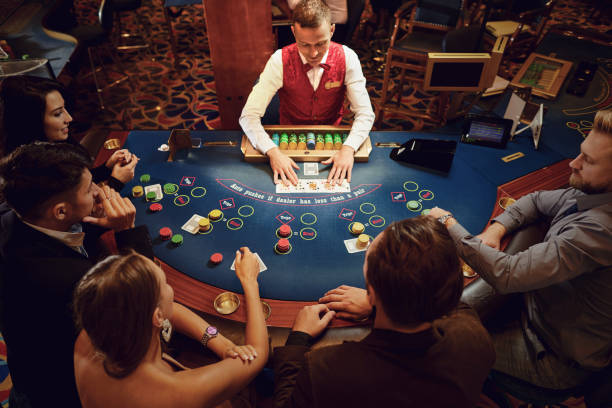
Moreover, the design of gambling environments, such as casinos and online platforms, plays a significant role in attracting players. Bright lights, engaging sounds, and the promise of rewards create a stimulating atmosphere that enhances the thrill. This sensory experience can easily lead to overindulgence, where individuals may not fully grasp the risks they are taking.
The Role of Cognitive Biases
Cognitive biases significantly influence gambling behavior, often leading players to make irrational decisions. One common bias is the illusion of control, where individuals believe they can influence the outcome of games like slot machines. This misconception can encourage more frequent gambling, as players feel empowered despite the inherently random nature of such games.
Another prevalent bias is the gambler’s fallacy, which is the belief that past outcomes affect future results. For instance, someone might think a slot machine is “due” for a win after a series of losses, prompting them to keep playing. Understanding these cognitive distortions can help individuals make more informed choices and recognize the irrationality behind their actions.
The Impact of Social Influences
Social factors also play a crucial role in gambling behavior. Many people are introduced to gambling through family or friends, creating a social norm around the activity. This peer influence can normalize gambling, making it seem like an acceptable pastime. In many cultures, communal gambling experiences, such as playing poker or betting on sports, foster social connections, further entrenching the behavior.
Additionally, social media and online platforms can amplify this influence by showcasing winners and sharing experiences. As individuals see their peers engaging in gambling and celebrating wins, they may feel compelled to participate as well, often overlooking the risks involved.
Understanding Responsible Gambling
While gambling can offer enjoyment, understanding the importance of responsible gaming is essential. Responsible gambling involves recognizing one’s limits and making informed decisions to prevent harmful behavior. Many platforms, including those like Pin Up Bet, promote responsible gambling by offering tools for self-assessment and establishing betting limits.
Educating players about the potential consequences of gambling, including addiction and financial strain, is crucial. Awareness can empower individuals to approach gambling as a form of entertainment rather than a means of income, promoting healthier gaming habits and fostering a safer environment for all players.

Pin Up Bet: A Case Study in Online Gambling
Pin Up Bet exemplifies a modern online betting platform that combines user engagement with responsible gaming practices. Launched in 2016, it has catered to sports enthusiasts by offering an extensive range of betting options. The platform is designed to create a seamless user experience, making it accessible for both novice and experienced bettors.
In addition to its focus on responsible gambling, Pin Up Bet provides various features like live betting and generous bonuses. These offerings are tailored to enhance the overall user experience, ensuring that players can enjoy their gambling while remaining mindful of their limits. As such, Pin Up Bet serves as a model for understanding how psychology and responsible gaming can coexist in a thriving online betting environment.